Between Lek & Linge
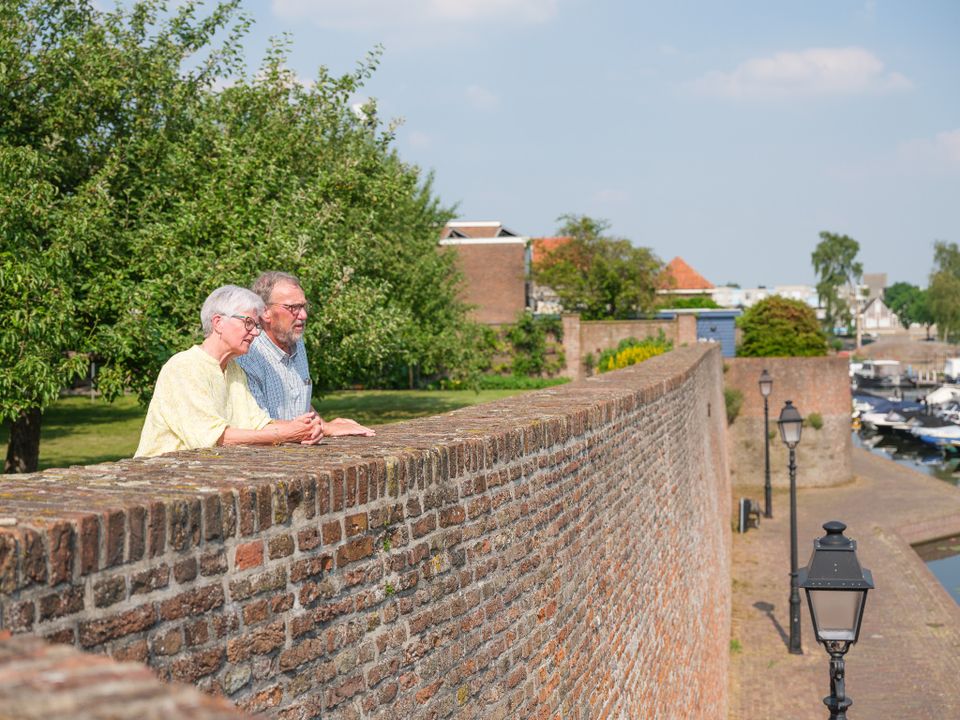
Between Lek & Linge surprises you with a diverse range of culture and heritage. With one of the oldest cities in the county of Holland, Ameide, Vrijstad Vianen and the Glass City of the Netherlands, Leerdam there is plenty to do between Lek & Linge.
25 to 48 of 69 results
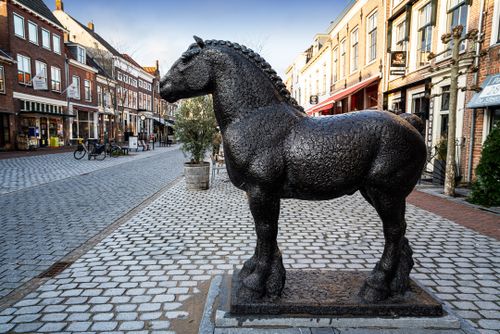
The bronze horse on Voorstraat recalls the long history of the Paardenmarkt in Vianen.
Het paard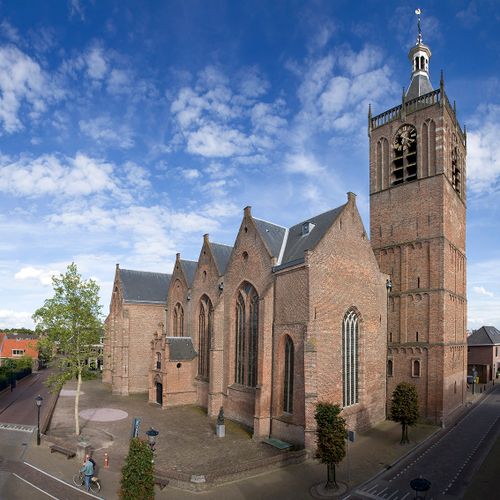
After a fire in the year 1540, the church (de Grote Kerk) was rebuilt in its current form almost immediately (as a combination of a hall church and...
Grote kerk Vianen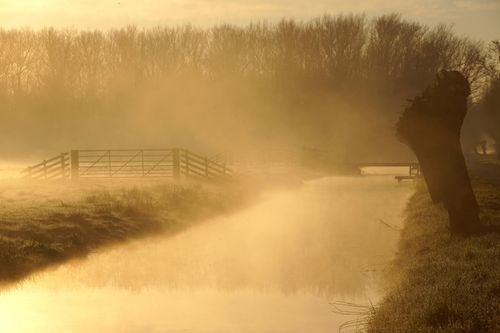
The Vianen forest and the Bolgarian forest consist of willow and poplar with sections of deciduous forest. The Vianen forest was the hunting forest...
Griendenlandschap en het Bolgarijnse bos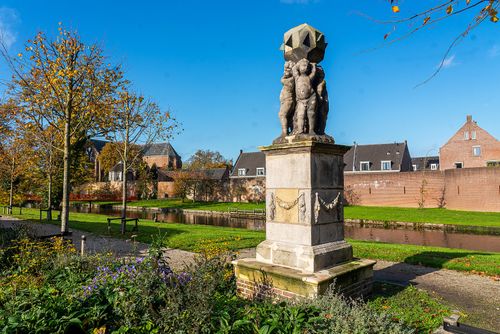
The sundial located on Lijnbaan is one of the last remaining tangible memories of the former Amaliastein pleasure garden.
Zonnewijzer Lijnbaan
To commemorate the construction of the connecting canal between Vianen and Gorinchem, a memorial stone was laid on the Buitenlandpoort’s retaining...
Gedenkteken Buitenlandpoort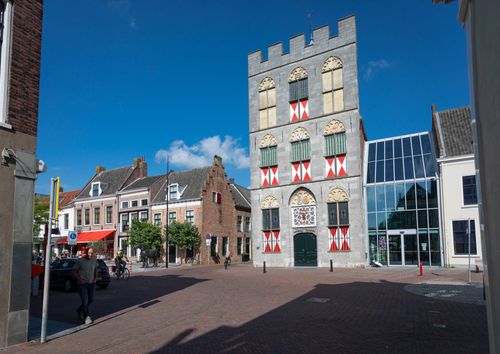
Originally, the town hall consisted of a spacious hall, the civic hall, which was also used as a market hall, with a smaller space at the rear of t...
Stadhuis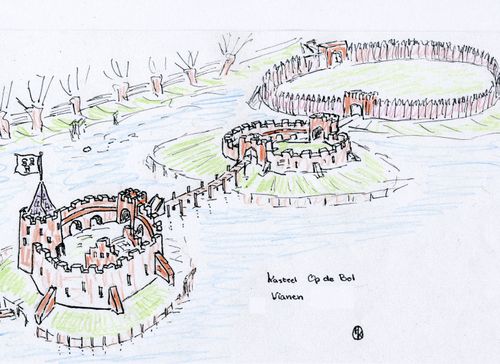
The first reference to Vianen is a document from 1271 in which Zweder I van Beusichem received permission to hold a market twice a year at his Vyan...
Burcht Vianen (kasteel Vyanen)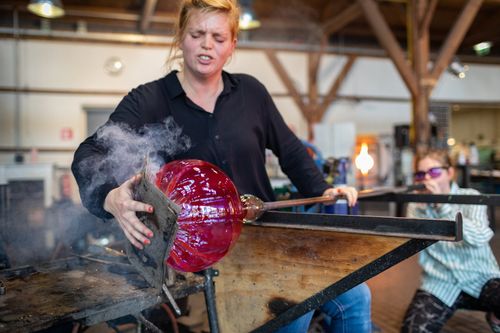
Step inside the glassblower’s workshop at the National Glass Museum’s glass studio.
De Glasblazerij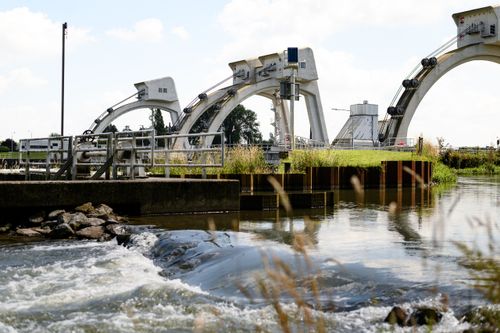
In the context of the Rhine canalisation, the Rijkswaterstaat constructed 3 almost identical weir complexes on the Lek near Hagestein, Amerongen an...
Stuwcomplex Hagestein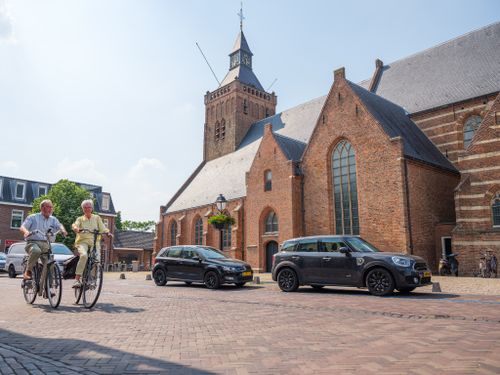
For centuries the Great Church dominates the skyline of Leerdam. It is the oldest building in the city, the tower dates from the 13th century.
Grote Kerk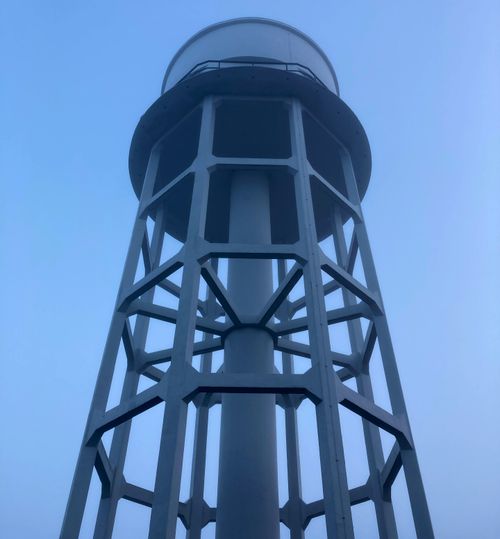
The Vianen water tower stands in a meadow on the outskirts of the town. The tower was built in 1909 by the Koninklijke Rotterdamsche Betonijzer Maa...
Watertoren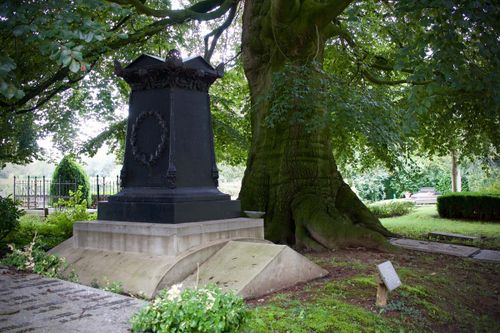
Jan Blankenweg, Jan Blankenbridge and the Jan Blanken funerary monument at the general cemetery on Sparrendreef: the name of Jan Blanken can be fou...
Grafmonument Jan Blanken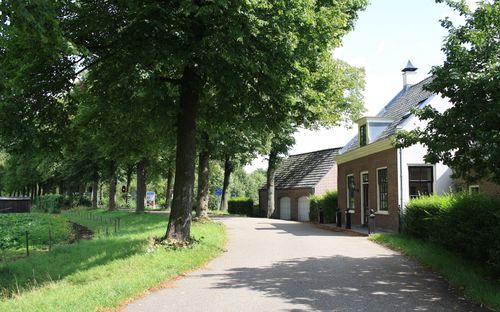
The oldest traces of habitation in the immediate surroundings of Vianen are not in the town itself, but just outside the current hamlet of Helsding...
Buurtschap Helsdingen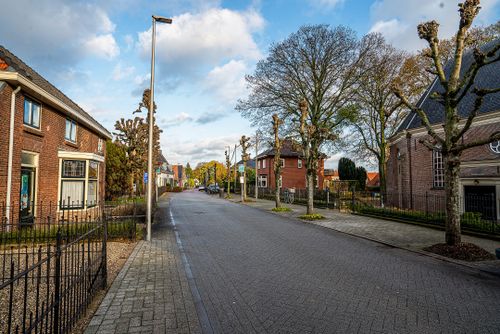
Hagestein was built on a higher-lying levee. The shape of the village and the block-shaped subdivision shows that people were also living in Hagest...
Dorpskern Hagestein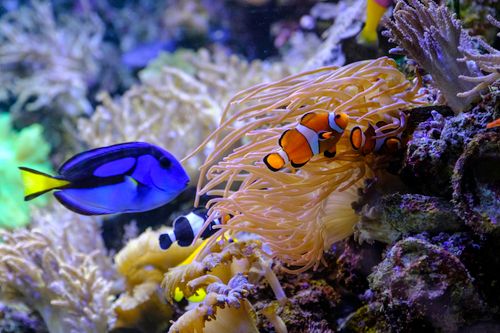
Discover the wonderful underwater world from up close without a wetsuit! Aqua Zoo Leerdam boasts more than forty aquariums and terrariums with a wi...
Lingesteynplantsoen 21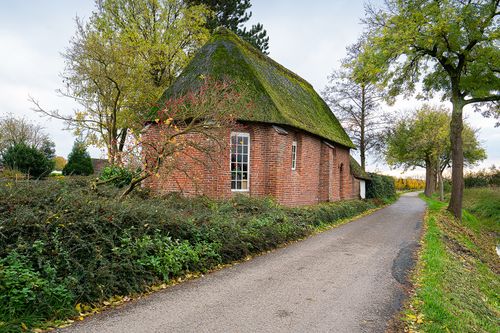
The former chapel the Helsdingen district is situated at the junction of Voorweg and Achterweg in Helsdingen. This chapel was probably founded in t...
Kapel Helsdingen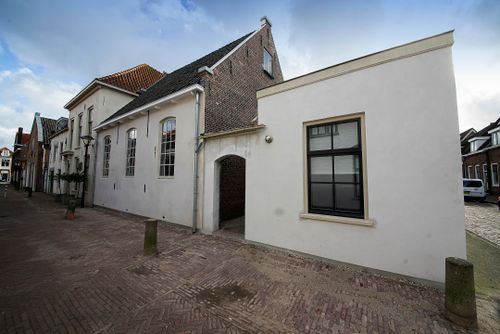
The Jewish cemetery on Sparrendreef, two Stolpersteine on Voorstraat and the former synagogue at no. 6 Bakkersstraat: these are the still visible r...
Voormalige synagoge Vianen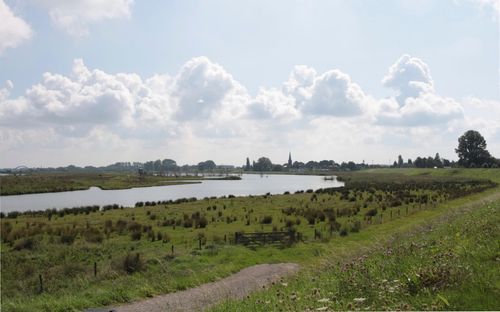
With the reclamation of the peatlands in the 11th Century in the area of today’s Vianen, the Lek was also diked.
Lekdijk
The Grote Kerk in Vianen is not only a church, but also the last resting place of at least 24 members of the Van Vianen and Van Brederode families
Grafmonument Grote Kerk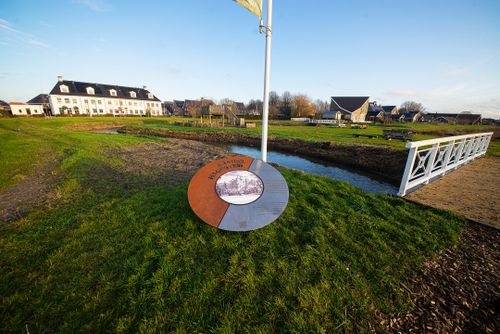
Together with Everstein Castle, it was Hagestein Castle in Gasperden (now Hagestein) that formed the centrepiece of this line of defence. The castl...
Kasteelterrein Hagestein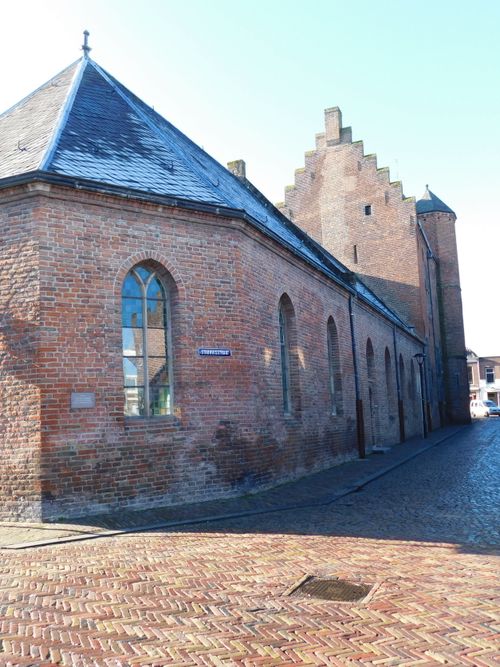
On Stadhuisstraat, the layout of the mediaeval building complex can still be clearly seen. At the front is the old town hall, behind it the former...
Gasthuiskapel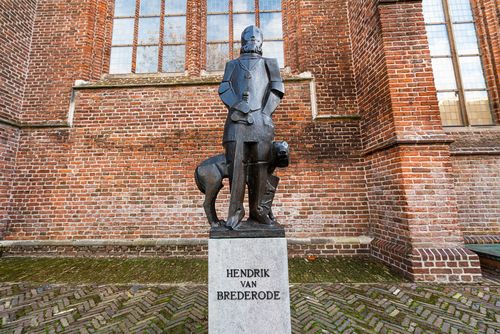
Since 1997, the statue of Hendrik van Brederode has stood on the church square with its back almost against the Grote Kerk. The bronze statue by Ut...
Standbeeld Brederode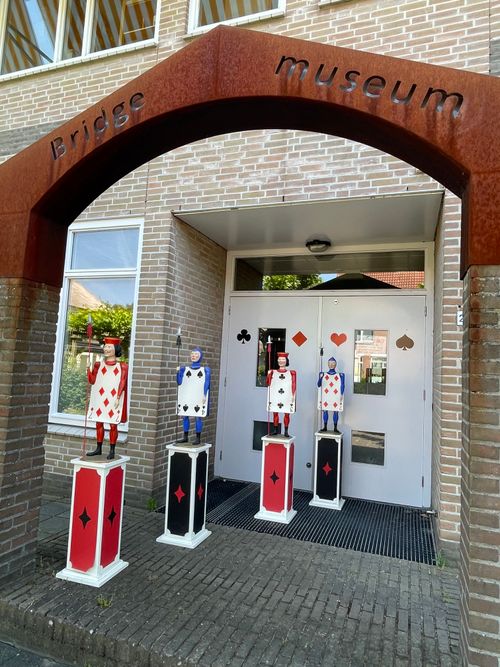
What began in 1971 as a collection of bridge magazines and books is now the world's one and only museum wholly devoted to the classic card game.
Bridgemuseum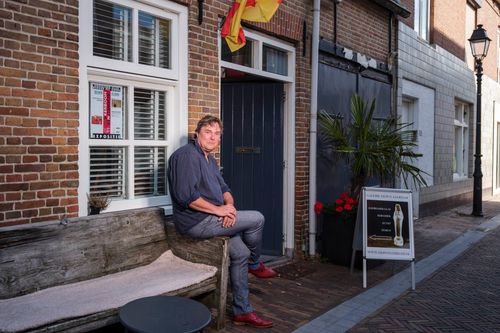
Specialised in Leerdam glass
Galerie Depot Leerdam